Scandinavian & Baltic Interior Design Trends: What's Shaping Homes in 2025–2026
Discover the latest interior design trends in Scandinavian and Baltic countries. From natural fabrics and earthy palettes to the Japandi aesthetic, learn how Nordic design philosophy continues to evolve while staying true to its minimalist roots.
The Nordic Design Philosophy: Simplicity Meets Warmth
Scandinavian interior design has long been celebrated for its clean lines, functionality, and connection to nature. In 2025–2026, this timeless approach continues to evolve, embracing warmer tones, richer textures, and a deeper commitment to sustainability — without losing its essential minimalist character.
Across the Nordic and Baltic regions — from Stockholm to Tallinn — homeowners are moving beyond sterile all-white interiors toward spaces that feel lived-in, personal, and genuinely inviting.
Key Trends Defining Nordic Interiors
1. Warm Minimalism
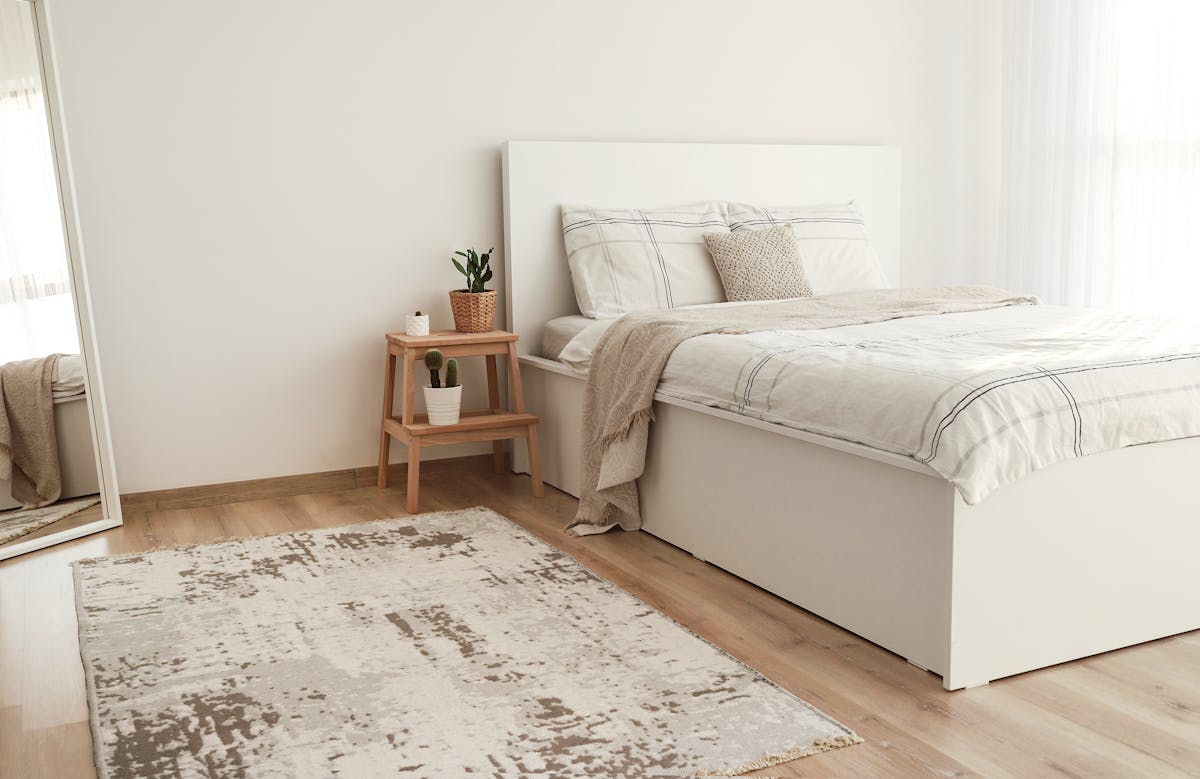
The era of cold, clinical minimalism is over. Today's Scandinavian interiors embrace warmth through earthy colour palettes: muted terracottas, warm browns, forest greens, and the ever-popular "greige" — a grey-beige hybrid that grounds any space with quiet sophistication.
Furniture remains clean-lined but now features softer curves and organic shapes. Natural wood — oak, birch, and ash — continues to dominate, with a growing preference for FSC-certified and reclaimed materials.
2. Natural Fabrics and Textured Layering
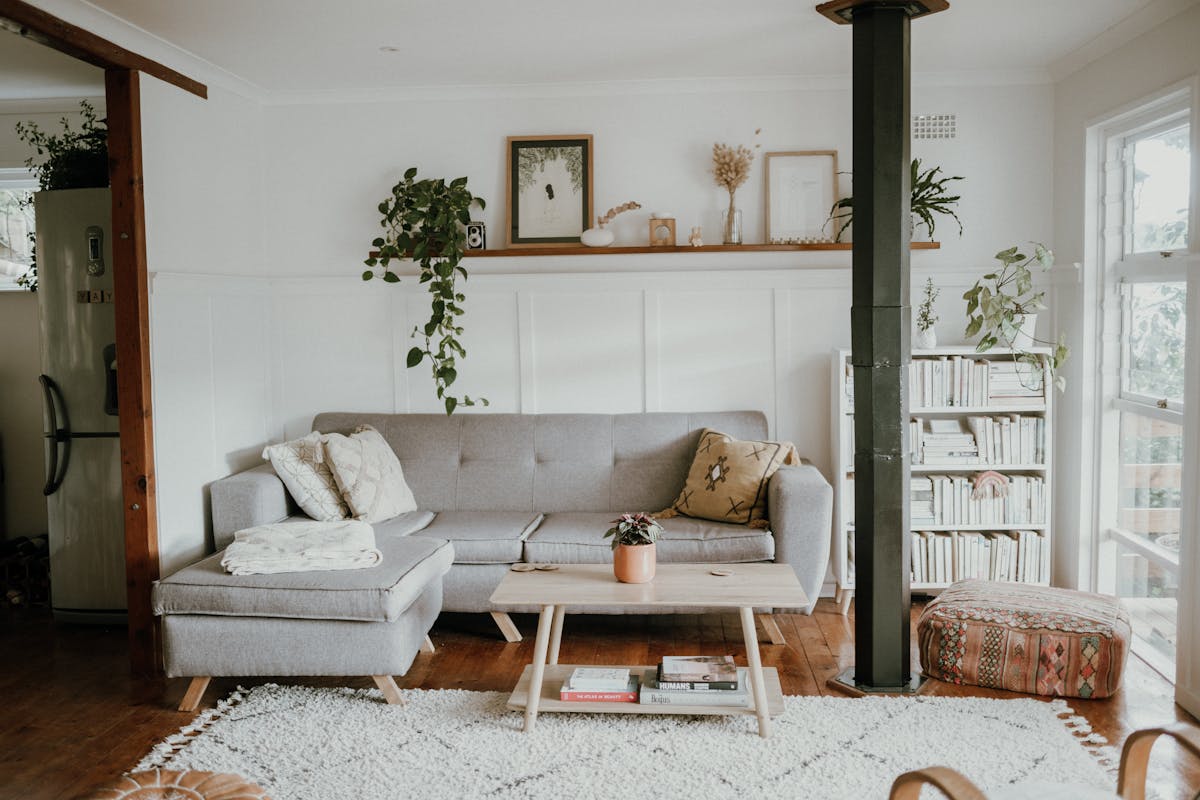
Texture plays a central role in the modern Nordic home. Chunky wool throws, linen curtains, bouclé cushions, and cotton rugs create depth without visual clutter. The key is layering: combining different materials in harmonious tones to build a space that feels both curated and comfortable.
Linen, in particular, has become the fabric of choice for window treatments — breathable, hypoallergenic, and beautifully sustainable.
3. Sustainability as a Core Value
Sustainability is no longer a bonus — it's a requirement. Scandinavian consumers increasingly demand eco-friendly materials, energy-efficient solutions, and products with transparent supply chains. This extends to every aspect of interior design, from furniture made of certified wood to window treatments crafted from organic fabrics.
4. The Japandi Influence
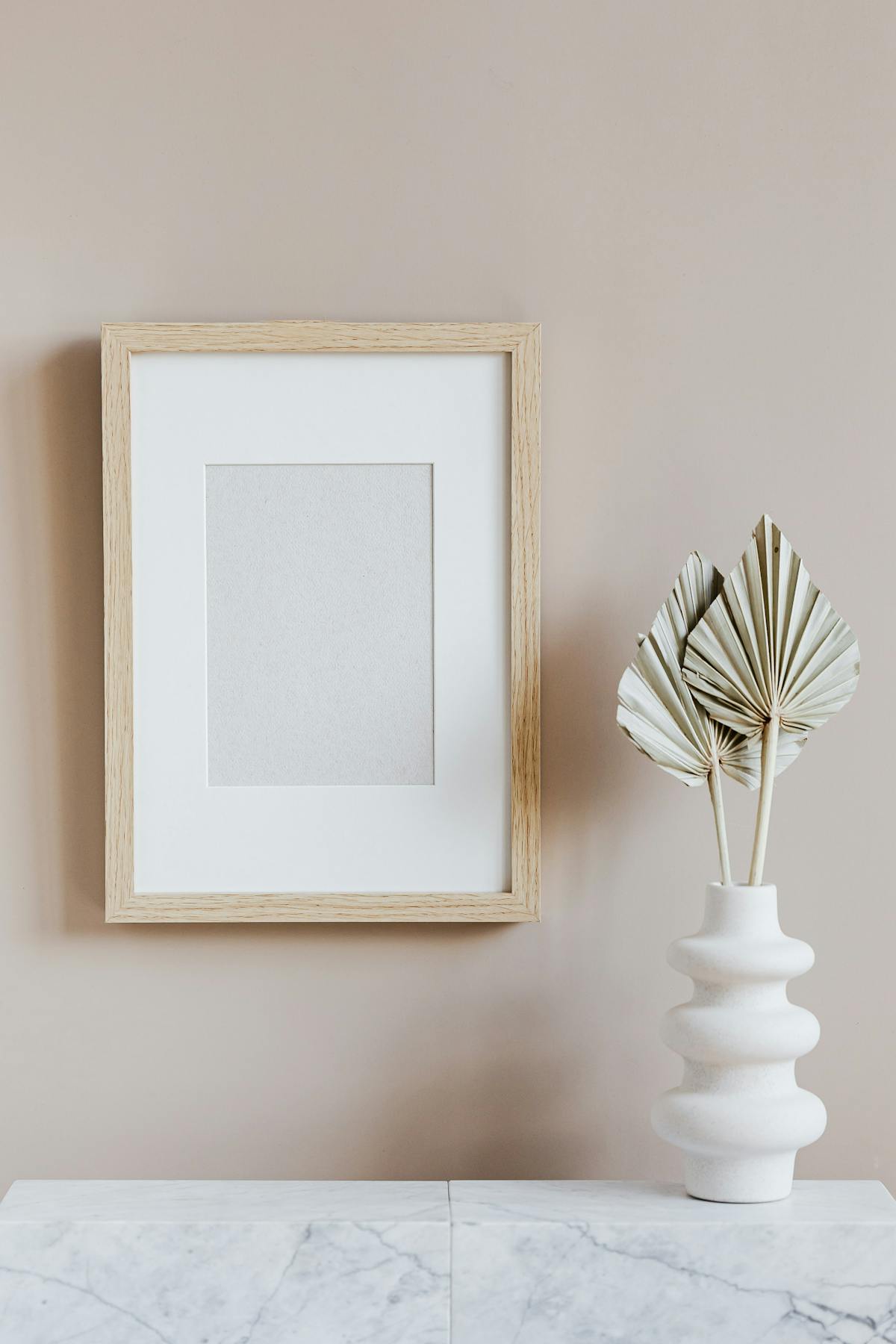
The Japandi aesthetic — a fusion of Japanese wabi-sabi and Scandinavian hygge — continues to gain momentum. This approach celebrates imperfection, natural materials, and intentional simplicity. In window treatments, this translates to simple Roman shades in natural linen, flat panel curtains, and an absence of ornate hardware.
5. Smart Technology, Discreet Integration
Nordic homes in 2026 are embracing smart home technology — but only when it enhances comfort without disrupting the clean aesthetic. Automated blinds, smart thermostats, and integrated lighting systems are increasingly common, valued for their energy efficiency and seamless operation.
Window Treatments in the Nordic Context
In Scandinavian design, window treatments serve a dual purpose: maximising natural light during the short Nordic days while providing privacy and insulation during the long winters. The preferred approach is minimal — sheer linen or cotton that filters sunlight softly, often layered with heavier drapes for evening use.
Structured drapery is making a comeback, with clean pelmets and precisely lined curtains replacing the relaxed, floor-puddling styles of recent years. The overall mood is polished but not fussy — functional beauty at its best.
Baltic Perspectives
The Baltic states — Estonia, Latvia, and Lithuania — share the Scandinavian love of functionality and natural materials, while adding their own character. Baltic interiors tend to favour slightly bolder textural contrasts and a stronger connection to artisanal craftsmanship. Handwoven textiles, locally sourced wood, and ceramics from regional makers all feature prominently.
In the curtain and blind market, Baltic consumers show particular interest in energy-efficient solutions — a natural priority given the region's climate — and increasingly favour automated systems that can be integrated with home heating and lighting.
Gallery