A Guide to Modern Curtain Types and Mechanisms: Roller Blinds, Roman Shades, and Beyond
From classic roller blinds to elegant Roman shades and energy-efficient pleated blinds — explore the most popular curtain types and mechanisms for modern interiors. Learn which window treatment suits your space and style best.
Choosing the Right Window Treatment
Modern window treatments go far beyond basic curtains. Today's market offers a wide range of mechanisms and styles, each designed for specific needs — from light control and energy efficiency to aesthetic appeal and ease of maintenance. Understanding the differences helps you make the right choice for every room.
Roller Blinds: Clean Lines, Maximum Versatility
Roller blinds remain one of the most popular window treatments worldwide — and for good reason. Made from a continuous piece of fabric that wraps around a tube, they offer a sleek, unobtrusive look that suits virtually any interior style.
Key advantages:
- Space-saving design — minimal profile when fully raised
- Wide fabric range — from sheer light-filtering to complete blackout
- Easy maintenance — simply wipe with a damp cloth
- Motorisation-ready — easily integrated with smart home systems
Solar roller blinds are a notable subcategory, offering UV protection while maintaining outward visibility. They're particularly popular in offices and living spaces with large windows.
Roman Shades: Timeless Elegance
Roman shades combine the softness of fabric curtains with the clean functionality of blinds. When raised, the fabric folds into neat horizontal pleats; when lowered, it lies flat against the window for a polished, tailored look.
Popular styles include:
- Flat Roman shades — smooth, modern appearance with clean folds
- Pleated Roman shades — structured folds for a more decorative look
- Relaxed Roman shades — a gentle curve at the bottom for casual elegance
Roman shades excel at heat insulation — the continuous fabric without slats prevents air circulation, making them an energy-efficient choice for colder climates. They work beautifully in bedrooms, living rooms, and any space where you want both style and function.
Panel Curtains: Modern and Architectural
Panel curtains (also called panel blinds or sliding panels) use a track system where large fabric panels slide horizontally. They're ideal for wide windows, patio doors, or even as room dividers.
The panels stack neatly to one side when open, and can be arranged in overlapping configurations for light control. In 2025, custom side panels paired with blinds or shades are particularly trendy — adding a layer of sophistication to any window arrangement.
Pleated Blinds: Energy Efficiency Meets Compact Design
Pleated blinds feature crisp concertina folds that stack neatly when raised. They're exceptionally space-saving and versatile, making them ideal for conservatories, shaped windows, and bi-fold doors.
A particularly innovative variant is the honeycomb (Duette) blind — a double-layered pleated structure that traps air in honeycomb-shaped cells. These can reduce heat loss by up to 55%, making them one of the most energy-efficient window treatments available.
Best applications:
- Skylights and roof windows
- Unusually shaped windows (arches, triangles)
- Rooms requiring precise light and temperature control
Technical Curtains and Specialised Solutions
Beyond standard residential options, the market offers several technical curtain systems designed for specific requirements:
- Blackout systems — complete light blocking for bedrooms, home theatres, and shift workers
- Acoustic curtains — dense, multi-layered fabrics that reduce noise transmission
- Thermal curtains — insulated linings that significantly improve energy efficiency
- Outdoor technical blinds — weather-resistant systems for terraces and external shading
Material Trends in 2025
The clear trend is toward natural, sustainable materials. 100% linen leads the way — naturally breathable, hypoallergenic, and eco-friendly. For colour, Pantone's 2025 colour of the year, Mocha Mousse, works beautifully on both drapes and Roman blinds, offering a subtle, sensual elegance.
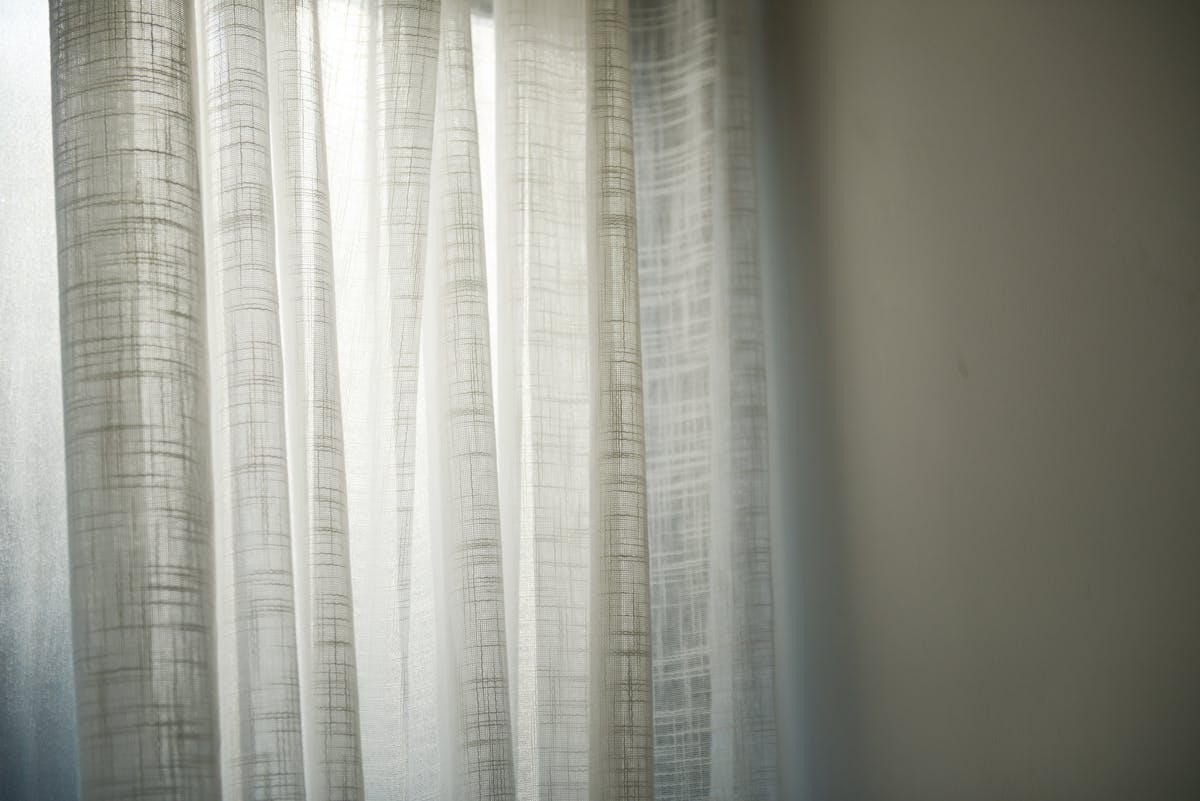
Layering continues to be a key styling technique: combining sheer curtains with functional blinds creates both beauty and practicality.
How to Choose
When selecting window treatments, consider these factors:
- Light control needs — how much natural light do you want?
- Privacy requirements — ground floor vs. upper floors
- Energy efficiency — important in cold climates
- Window type and size — some mechanisms suit certain windows better
- Maintenance — fabric curtains need more care than roller blinds
- Automation potential — plan ahead if you want motorised options
Gallery